
Was an American aviation pioneer and author. She was the first female pilot to fly solo across the Atlantic Ocean. She got the U.S Distinguished Flying Cross for this record and set other records. She joined the faulty of the Purdue University aviation department and was also a member of the National Woman's Part, along with a supporter of the Equal Rights Amendment.
She disappeared over the central Pacific Ocean and her life still continues to this day.
Flying career: Earhart convinced her father to let her fly, and convinced him to teach her. He told her that it would be hard work and take a lot of commitment, but she had already knew that. She became a member of the American Aeronautical Society in Boston. She helped promote flying for devoted females all over. She had gained most of her fame from her transatlantic flight, but shortly took on her own adventures doing solo flights.
Earhart was seen as a strong women who worked for everything that she wanted. She promised her dad from the start that she would work hard and through all the rough patches she would stay strong, and she kept that promise for the rest of her years to come.
AP Theme: Culture- Everything she did affected the way that people looked at the world. She influenced women to go out and try new things, along with exploring the world. She even influenced men to realize that women weren't just meant for the house hold, they were more productive then that.

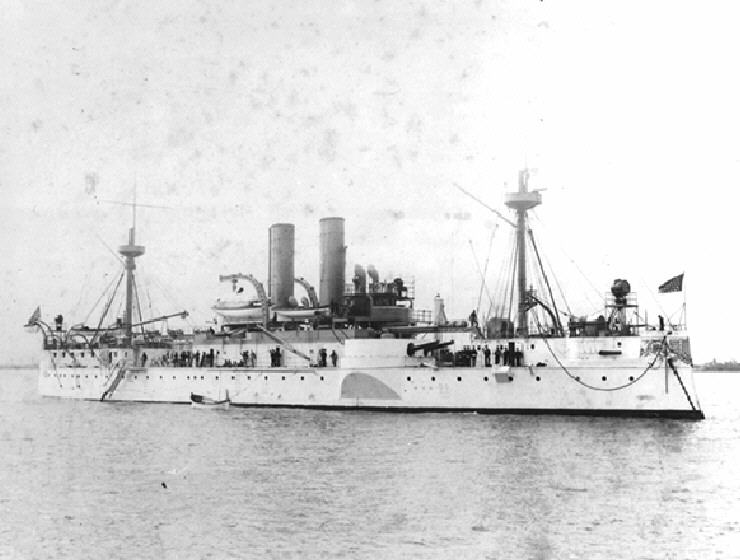
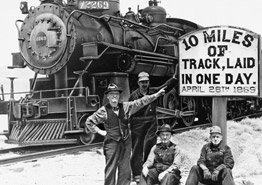
 The workers were mainly from the Union Pacific, consisting of army vets and Irishmen. The Central Pacific was facing a shortage of workers a lot so they relied on Chinese emigrant labors for the construction. The more the railroad would extend out into the West, the more population came with it. It had established a strong system for commerce and trade, resulting in the lack of Indian Territory.
 Douglass after he escaped from slavery became a strong leader of the abolitionist movement.Douglass joined several organizations including a black church and attending abolitionist meetings.
 Susan B. Anthony was an American Civil Rights leader who played a major role in the 19th century for the woman's rights movement. She was the co founder for many different events such as the first Woman's Temperance Movement and the women's rights journal called The Revolution. She had given many speeches and led many women to believe in the movements. She had changed America in a slowly but prominent way. Her journal had taken its way to the the top of the most discussed topics in the era. She had spent 10,000 dollars in order to make a strong voiced opinion and in the long run it had payed off. Women and even the president at the time had subscribed to the weekly papers.Her and Stanton had created the National Woman's Suffrage Association in attempt to unite women in the labor movement. This had encouraged women to achieve economic independence. Women began to work in factories for money and gained the right to control their earnings.Women had changed the economy in a good way, and all of the political and social reforms had given a new name to the century. Susan B. Anthony had changed America by giving a new outlook on women.This was part of the Antebellum America.
 People began to move and look to settle in the New Colonies. This was because of economic and environmental changes. There was cold climate in England and rough land which made it harder to plant crops. This made it more difficult to progress economically due to the lack of crops being processed. In the New Colonies it was easier to plant crops and discover new resources. The climate was warmer and the soil was more fertile. With all of the crops being grown in the New colonies people began to colonize. More and more were arriving with intent to get land and make money from the resources. All of the new resources like sugar, cotton, corn, tobacco, and rice brought slaves from Africa. Slaves worked for very little and were cheap labor. They knew how to grow certain things correctly and became a big factor in development. People move and settle because of environmental problems with climate, or adjustments. In the case for the New Colonies, the people move because of the economy, land, climate, and much more.